The ultimate guide to route optimization in 2026
Everything your delivery business needs to know about planning faster routes, reducing fuel costs, and keeping customers happy
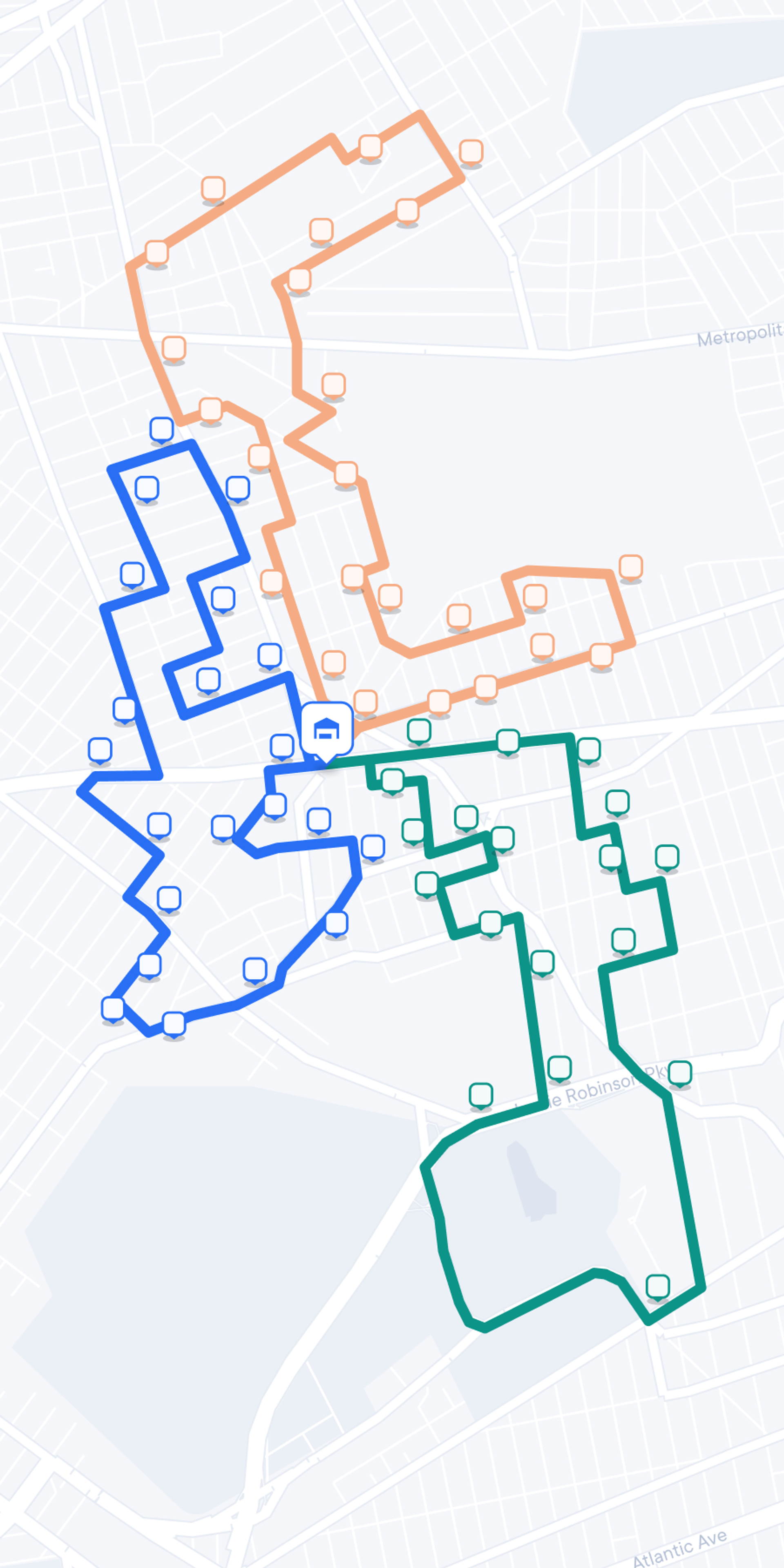
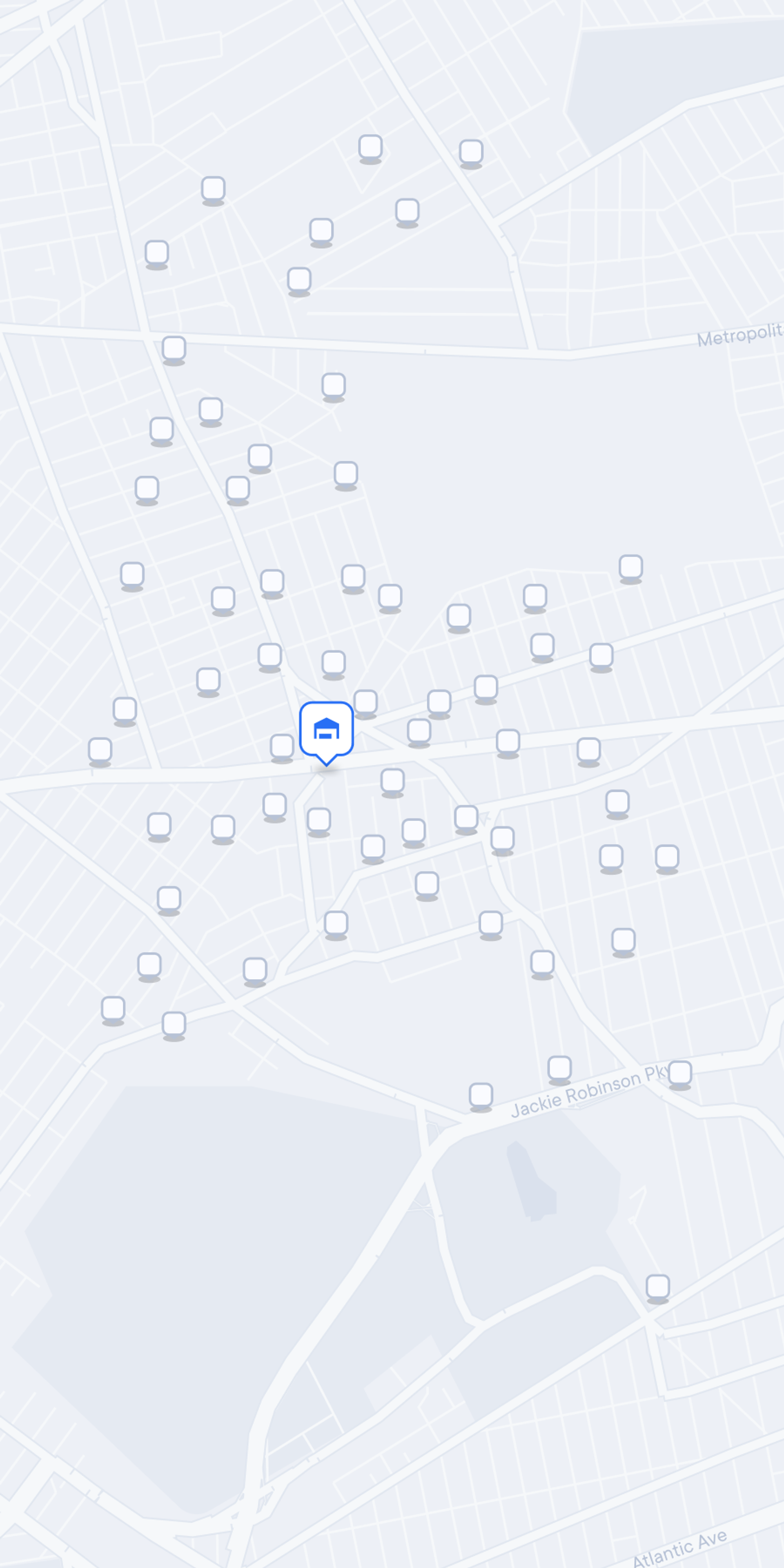


Transform your delivery from a cost center into an advantage that boosts your bottom line.
Solve the last mile challenge with smart software that handles thousands of moving parts.
Stay on track through traffic, delays, and last-minute changes without missing a beat.
Build customer trust with reliable, on-time deliveries that consistently meet expectations.
Introduction
If you’re in the business of moving goods from A to B, you’re well aware of today’s mounting pressures, like rising fuel costs, tighter delivery windows, and growing customer expectations. When you’re juggling thousands of deliveries a month, the pressure cooker can feel fit to burst at any moment.
In the past, delivery teams have relied on manual processes that have served them well for years. But these methods no longer meet today’s expectations. Without the right systems in place, it’s easy to lose out to competitors who are willing to innovate to get ahead.
This is why the introduction of route optimization has been so impactful to the last mile. The term might sound fancy and technical, but in reality it’s about making smarter decisions with every delivery route.
In this guide, we discuss how route optimization works and why it’s almost a non-negotiable for your delivery business, as well as take a look at the key features of route optimization software and real examples of companies using it to their advantage.
Skip ahead to a section that interests you:
01
What is route optimization?
02
Can’t I just optimize my routes manually?
03
What does route optimization look like in action?
04
Who is route optimization for?
05
The benefits of route optimization
06
Features of route optimization software
07
Unlocking efficiency with route optimization
08
Why is route optimization so important in last mile delivery?
09
Example of route optimization in action
What is route optimization?
Route optimization is the process of figuring out the smartest, most efficient way for your drivers to get from point A to B. This isn’t always via the shortest path. Instead, route optimization balances real-world factors, like traffic patterns, delivery time windows, vehicle capacities, fuel costs, and driver schedules.
Many last mile businesses have thousands of deliveries to make, a set number of vehicles, and a limited amount of time to get it all done. Software for route planning uses an algorithm so you can offer faster deliveries, save on fuel, and avoid delays that eat into your profits and annoy your customers.

What do you mean by algorithm?
A route optimization algorithm is like a super-smart GPS with a set of instructions that analyzes all your stops and variables like traffic, delivery windows, stop priority, tolls and road restrictions, to build the most efficient and practical route possible.
The bottom line is...
Route optimization might sound like a complicated buzzword, but it’s critical for last mile delivery services where margins are razor-thin and customer expectations are sky-high.
Today’s successful courier operations use these algorithms and real-time data to create routes that:
Adapt quickly
Automatically respond to live traffic, weather, and unexpected disruptions.
Reduce costs
Minimize your fleet’s fuel consumption, unnecessary mileage, and vehicle wear.
There are wider social benefits too: optimized routes consume less fuel and help reduce environmental impact.
Can’t I just optimize my routes manually?
Yes, you can plan your routes manually, but that doesn’t mean you should.
Small delivery operations with relatively few drivers and stops can probably get away with manual route planning. You can jot down addresses, use a navigation app like Google Maps with their ten stop limit, and assign routes based on experience. But as your business grows, you’ll find this approach quickly becomes a time-consuming headache that eats into your efficiency, reputation, and, ultimately, your bottom line.
Why manual route planning simply can’t keep up
Human error
Even the best planner makes mistakes. A wrong address or suboptimal route adds up, sending drivers crisscrossing the city instead of taking the fastest path.
It’s hard to scale
A dispatcher can handle 20-30 stops, but at 500+, it gets complex. More stops mean more variables, rerouting, and error. Manual planning at scale often needs a team.
Lack of Flexibility
Manual plans can’t adapt quickly when things go wrong - sick drivers, last-minute orders, or shifted time slots can all lead to costly delays, miscommunication, and scrambling.
Knowledge dependency
Many last mile operations depend on one experienced planner who knows it all: the routes, driver preferences, local traffic, etc. But what if they leave or take time off?
Inefficient routes
Manual route planning won’t factor in everything: road closures, last-minute orders, changing weather conditions, or fluctuating traffic patterns.
It’s time-consuming
It can take hours to manually sort through addresses, estimate drive times, and balance driver workloads.
These days, your clients expect you to delight their customers with on-time deliveries and proactive communication. A delivery success rate of 98% is the minimum standard, but top-tier couriers aim for 99.9%.
Manually planning just isn’t precise enough to hit those numbers consistently - and, when deliveries are regularly late or packages go missing, it puts you and your client’s reputations on the line.
How do you know when it’s time to switch to route optimization software?
Here are some early warning signs that manual route planning is becoming unsustainable. If you’re noticing any of these issues, it’s probably time to switch to route optimization software to keep your delivery business efficient and scalable.
Your late deliveries start increasing
If deliveries that used to be on time are now consistently running behind schedule.
You miss important time windows
If drivers regularly struggle to delivery within the expected time windows.
Your routes take too long to plan
If route planning processes are consuming several valuable hours of your day.
Your fuel costs have gone up for no reason
If your delivery business’ monthly fuel expenses are steadily increasing without explanation.
You can’t change routes easily
If adding new stops or making adjustments to existing routes is causing major headaches or disruptions
You can’t keep up with your growth
If expanding your delivery team or increasing deliveries feels like an impossible task, your current system probably isn’t fit to scale with you.
Your drivers are always asking for help
If drivers are reaching out for directions or going over the allocated route times on a regular basis
What does route optimization look like in action?
Route optimization isn’t just a fancy way of saying “more efficient routes”. It’s more of an internal ecosystem that connects clients, dispatchers and drivers so everyone can see who’s doing what routes and how those routes should play out.


As you can see, there are two sides to route optimization software: the dispatcher’s side and the driver’s side. Each one gets a slightly different interface geared towards their specific tasks and job roles. Click through the tabs below to go through a typical day of a dispatcher and a driver.
Step 1

Upload stops
Upload delivery addresses into your route optimization software or app via spreadsheet or integration.
Step 2
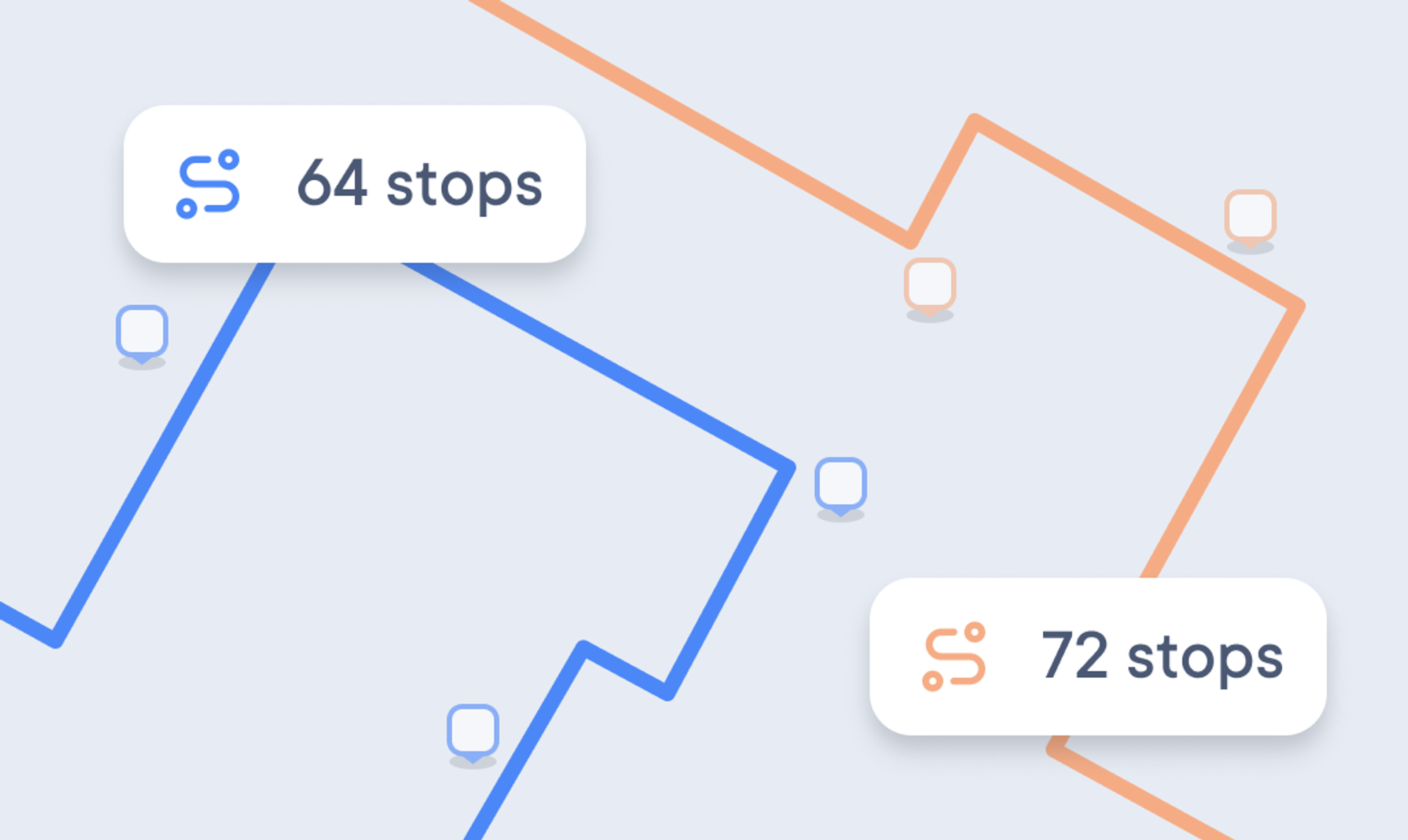
Optimize routes
The app instantly calculates the most efficient routes, considering traffic, delivery windows, and driver availability.
Step 3
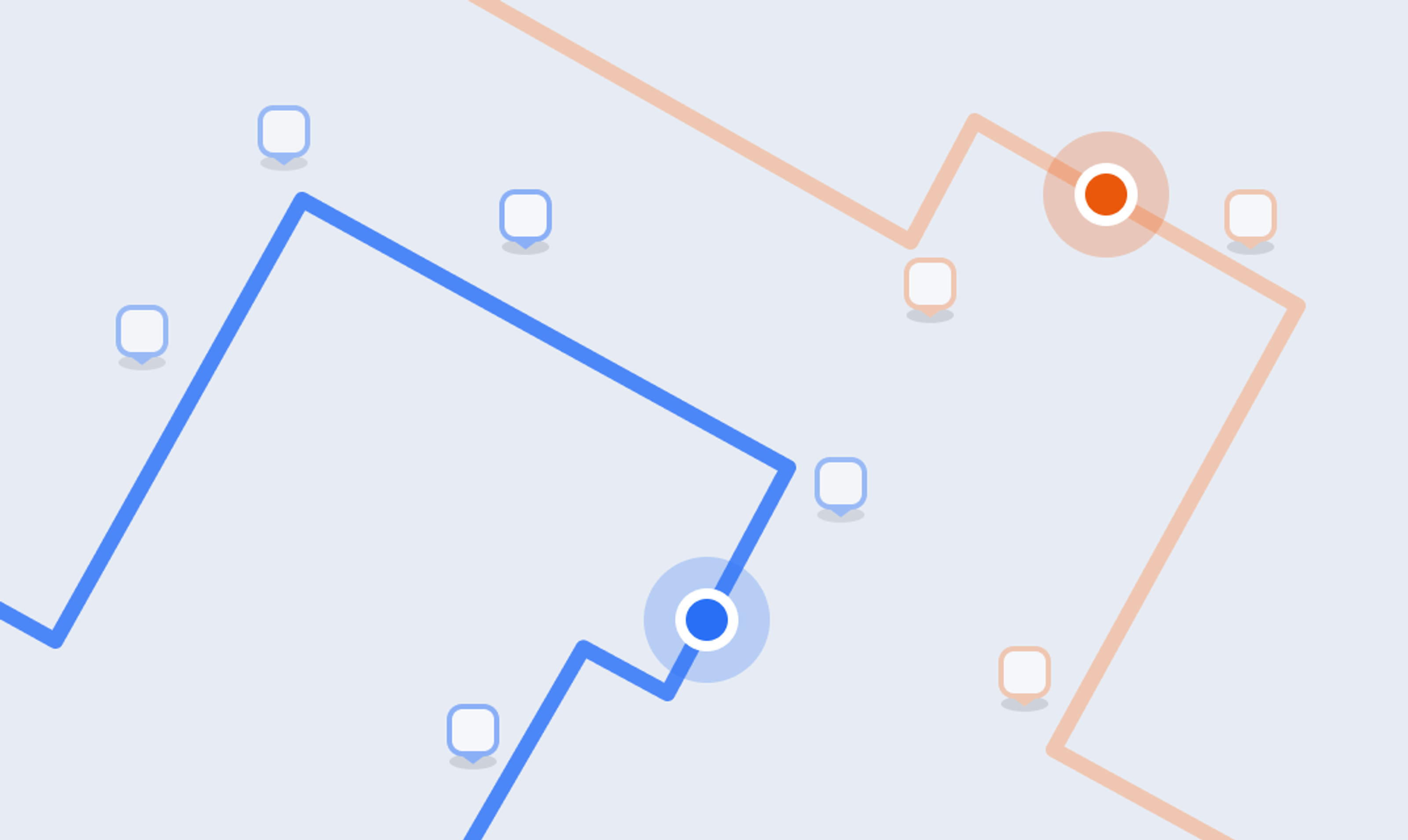
Track drivers
You can see all your drivers on a live GPS map, with their routes clearly mapped out with timelines.
Step 4
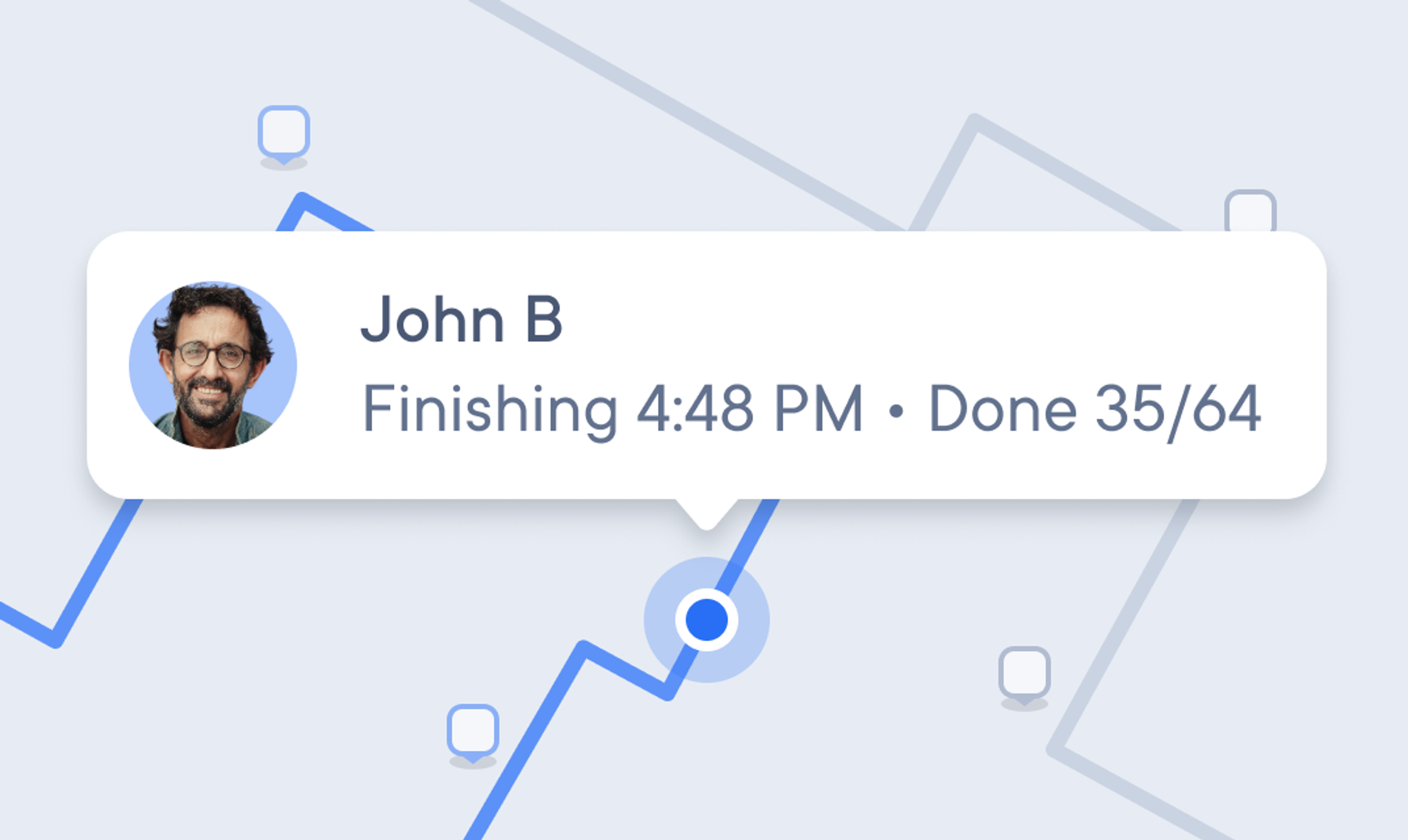
Monitor progress
Quickly reroute drivers, copy, edit or move stops in bulk, and monitor driver progress live
Step 1
Open the app
Drivers use their iPhone or Android device to open the route optimization app and view their daily route.
Step 2
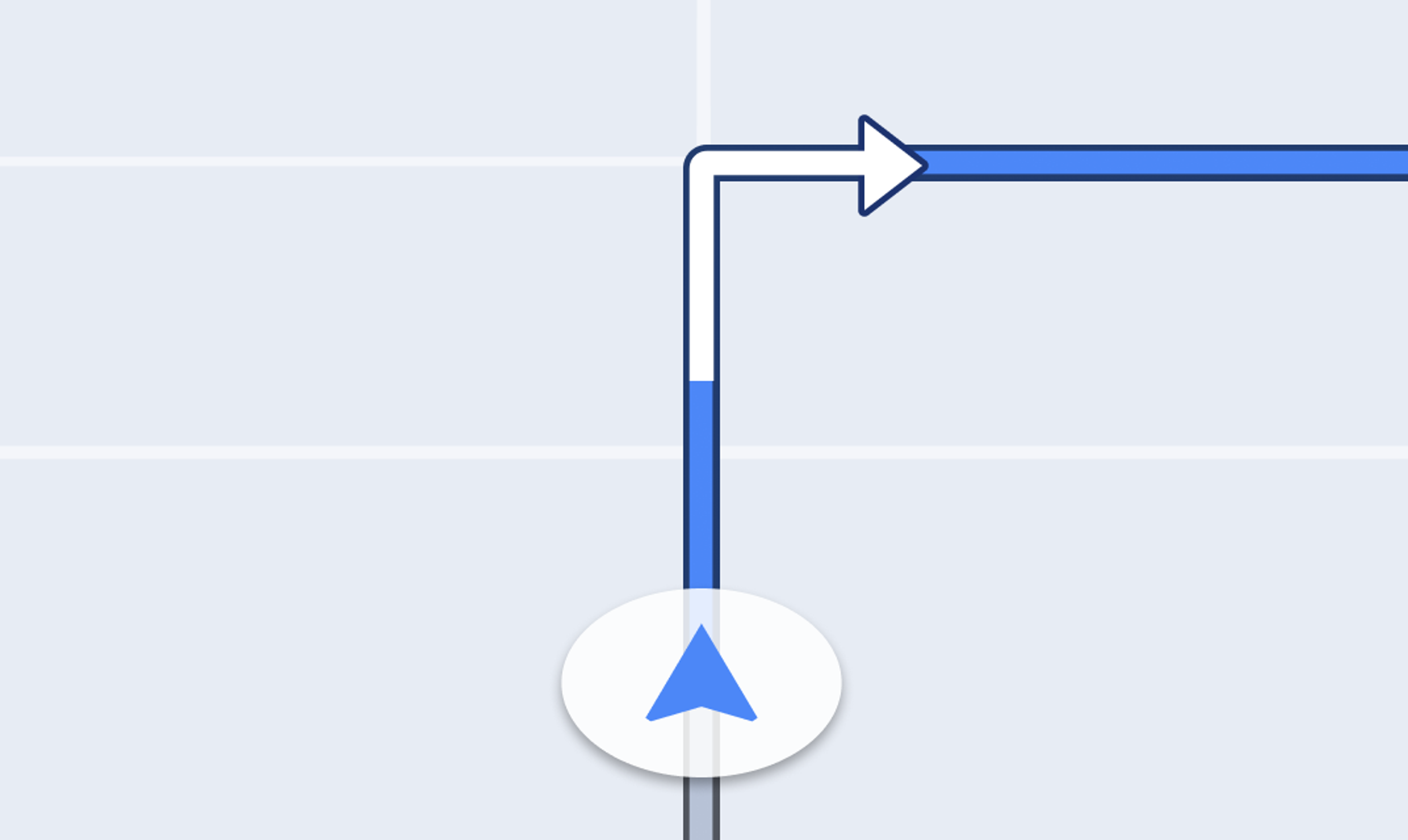
Follow the route
Each stop is listed in order with turn-by-turn navigation.
Step 3
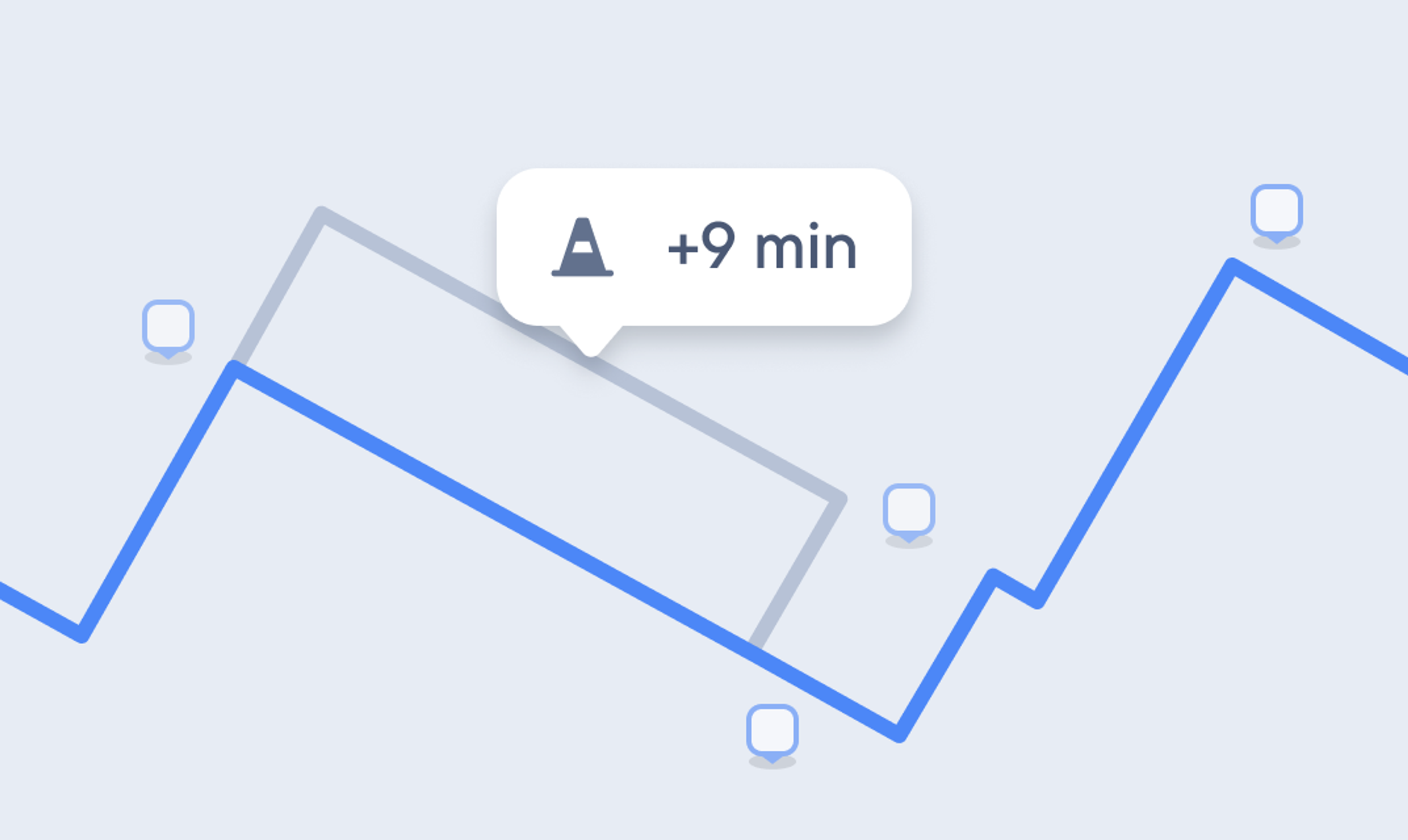
Adapt on the go
The app automatically adjusts the route if there’s a sudden road closure or heavy traffic.
Step 4
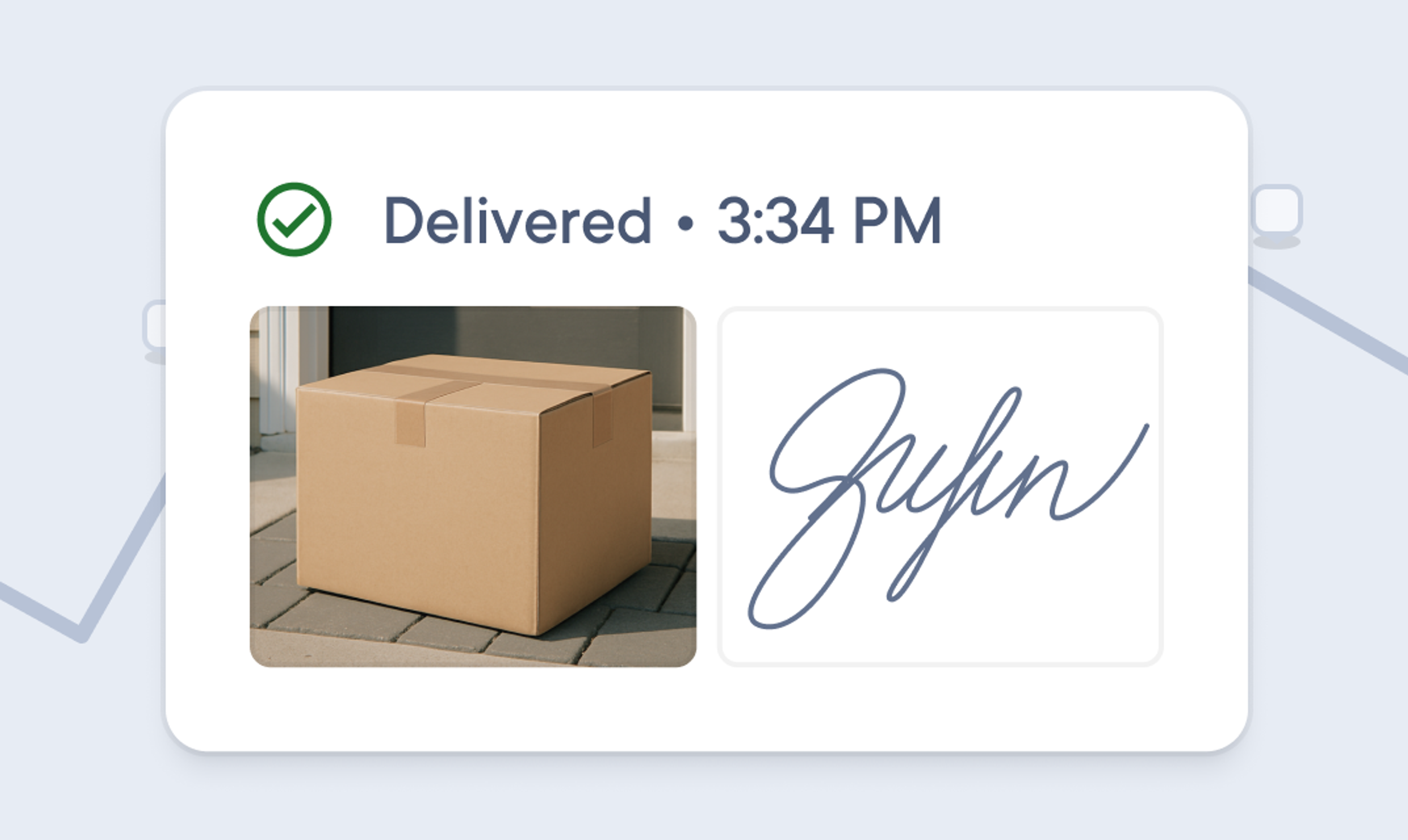
Mark deliveries complete
Collect PoD and mark deliveries as completed, which updates instantly for the dispatcher.
Route optimization in a daily delivery workflow
The route optimization app feels very familiar to drivers because it’s similar to popular navigation apps they already use but with extra features specific to their delivery needs. Spoke Dispatch users for example can use Google Maps navigation inside the Spoke driver app.
When drivers open the app, they’ll see:


When dispatchers open the dashboard they’ll see:


Humans and algorithms working together
Software for route planning works using AI and pattern-matching to assess the best routes considering all impacting factors. What it can’t do is access years of local knowledge that only people who know an area really well have.
So, while the software handles all the complex route calculations, you still need human judgment for many decisions.
For example:
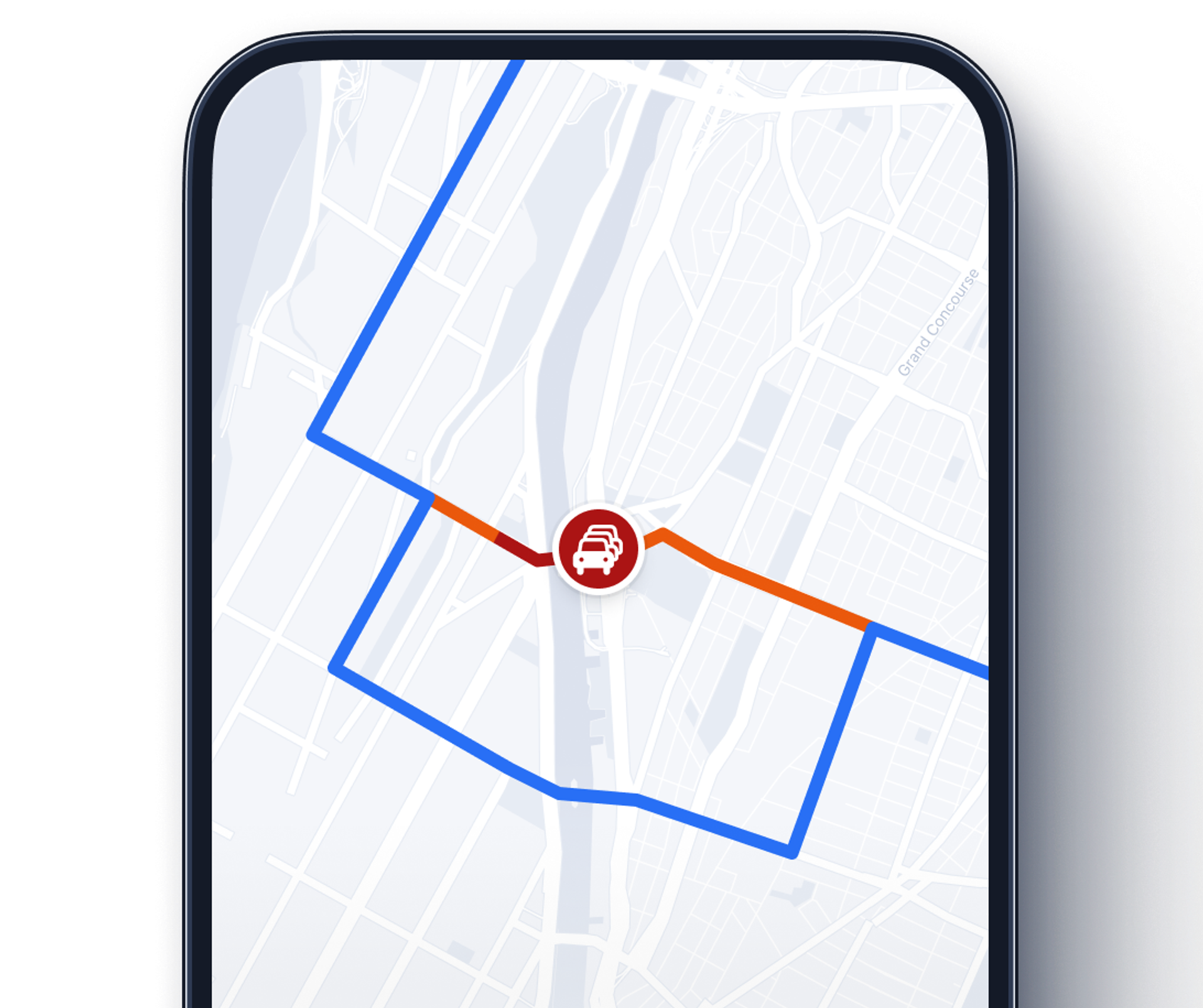
Adjust for Traffic
The algorithm might suggest a technically efficient route, but you know one area has terrible traffic at certain times.
Assign a specific driver
A regular customer prefers a specific driver, so you adjust the delivery stops accordingly.
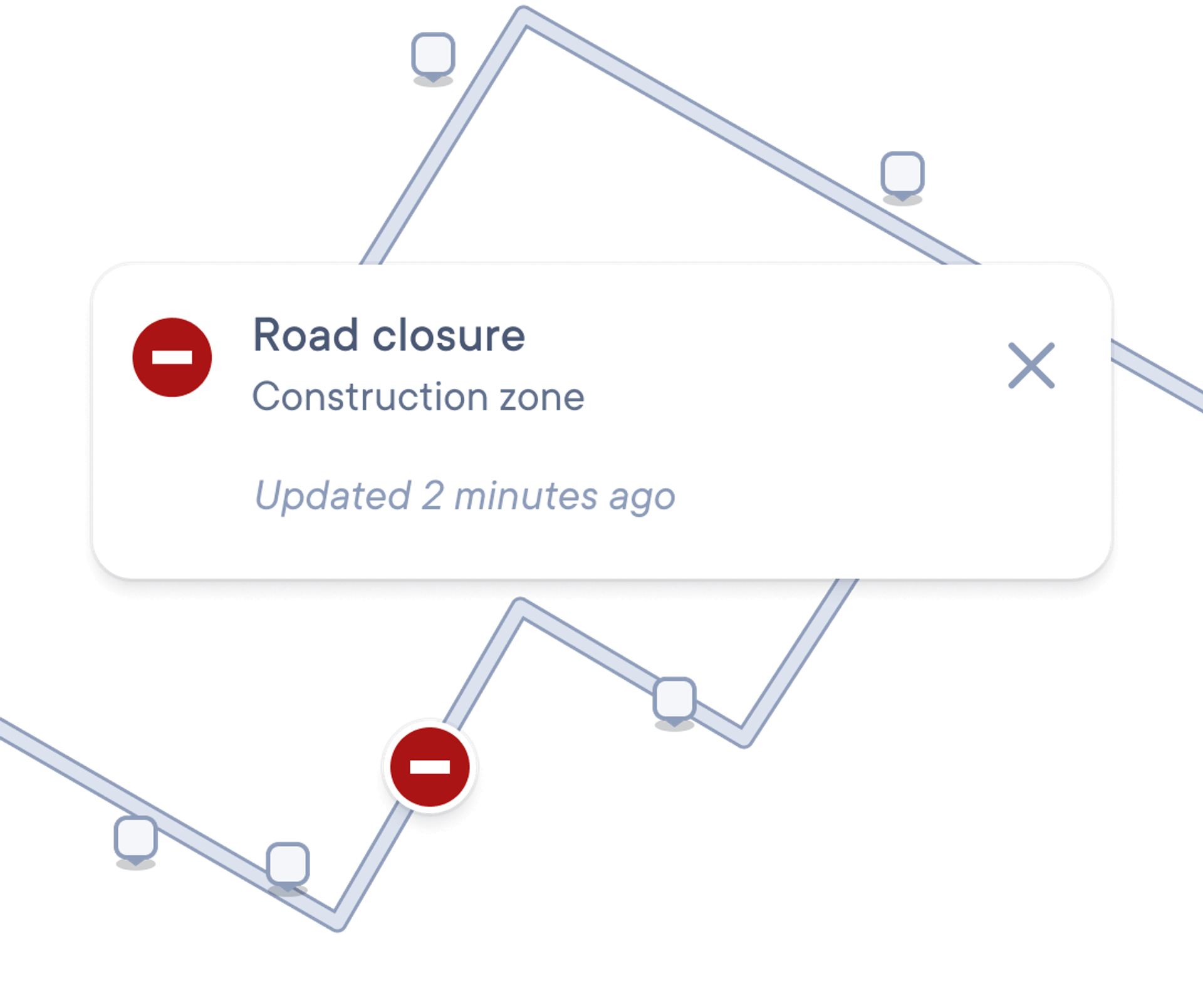
Manual reroute
Construction has closed a major road, so you manually redirect some routes.
The best results come from combining the software’s processing power with your team’s expert experience. And, while the system makes very good suggestions, you can override them when needed by manually editing live routes. The algorithm will then take those changes into account when it re-optimizes the route.
Who is route optimization for?
Route optimization isn’t just for big companies with 100+ vans in their fleet. Whether you’re running a local courier service with a handful of drivers or managing a high-volume logistics operation, optimized routes can save you time, fuel, and money.
That said, the real magic happens when you scale. If you have ten or more drivers making thousands of stops each month, route optimization becomes a major cost-cutting tool. At this level, even small efficiencies start stacking up fast.

For smaller courier companies
Juggling multiple deliveries and keeping costs low is tough. Manual planning might work for a dozen stops, but things get complicated as you scale.
For mid-size and larger companies
More drivers and stops mean more variables. Without optimization, you risk wasted fuel, late deliveries, and unhappy customers.
Everyone delivering goods to multiple locations
If you’re delivering to multiple locations, route optimization is for you. That includes local courier runs, ecommerce deliveries, food distribution, and field service logistics.
The benefits of route optimization
From dispatchers spending less time planning to drivers hitting delivery windows with ease, the right software can transform your last mile operation. It makes 99% delivery success rates possible, cuts down on manual work, boosts your delivery service reputation, and helps the team stay flexible when plans change.
Whether you’re managing five drivers or 100, it keeps everyone from the back office to the road aligned and efficient. Here’s how it makes a real difference.
Smoother days for dispatchers and drivers
For drivers, it means less time staring at maps, fewer backtracks, and clearer directions from stop to stop. Instead of figuring out the best way to navigate their route on the fly, they get turn-by-turn guidance optimized for the fastest, most fuel-efficient journey. Less time in traffic, fewer unexpected delays, and no unnecessary miles mean they can complete more deliveries in less time.
For dispatchers, route optimization takes the guesswork out of daily planning. Instead of manually plotting routes, juggling last-minute changes, and dealing with driver questions throughout the day, a route optimization app does all the heavy lifting.
It calculates the most efficient routes so dispatchers can focus on managing operations instead of firefighting last mile problems.


Hitting delivery windows with less stress
When you’re constantly missing delivery time slots, you frustrate customers, get negative reviews, and have to reattempt deliveries which can be costly. Say, for example, a company delivers groceries with guaranteed one-hour slots.
Without optimization
Drivers might take inefficient routes, get stuck in traffic, or spend extra time doubling back.
With route optimization
Deliveries are automatically sequenced for the fastest path. Drivers stay on schedule, and customers get their orders when they expect them without the stress of last-minute rescheduling.

Gaining 3 hours a day with efficient route planning
Hungarian logistics company CarryAll specializes in the delivery of oversized and uniquely shaped items. Despite creating their own in-house software, their existing third-party route planning solutions weren’t fit for the job which dramatically increased operational costs.
Problem
The company constantly had to alter and replan its routes.
Solution
After implementing Spoke Dispatch, CarryAll could calculate optimal routes with a single click.
Results
Way less time spent on route planning, which saved the dispatch team about three hours a day.

Features of route optimization software
Route optimization software handles changes in seconds, giving dispatchers the flexibility they need to take full control of their last mile operation. Here’s a list of features the best route optimization software will have:
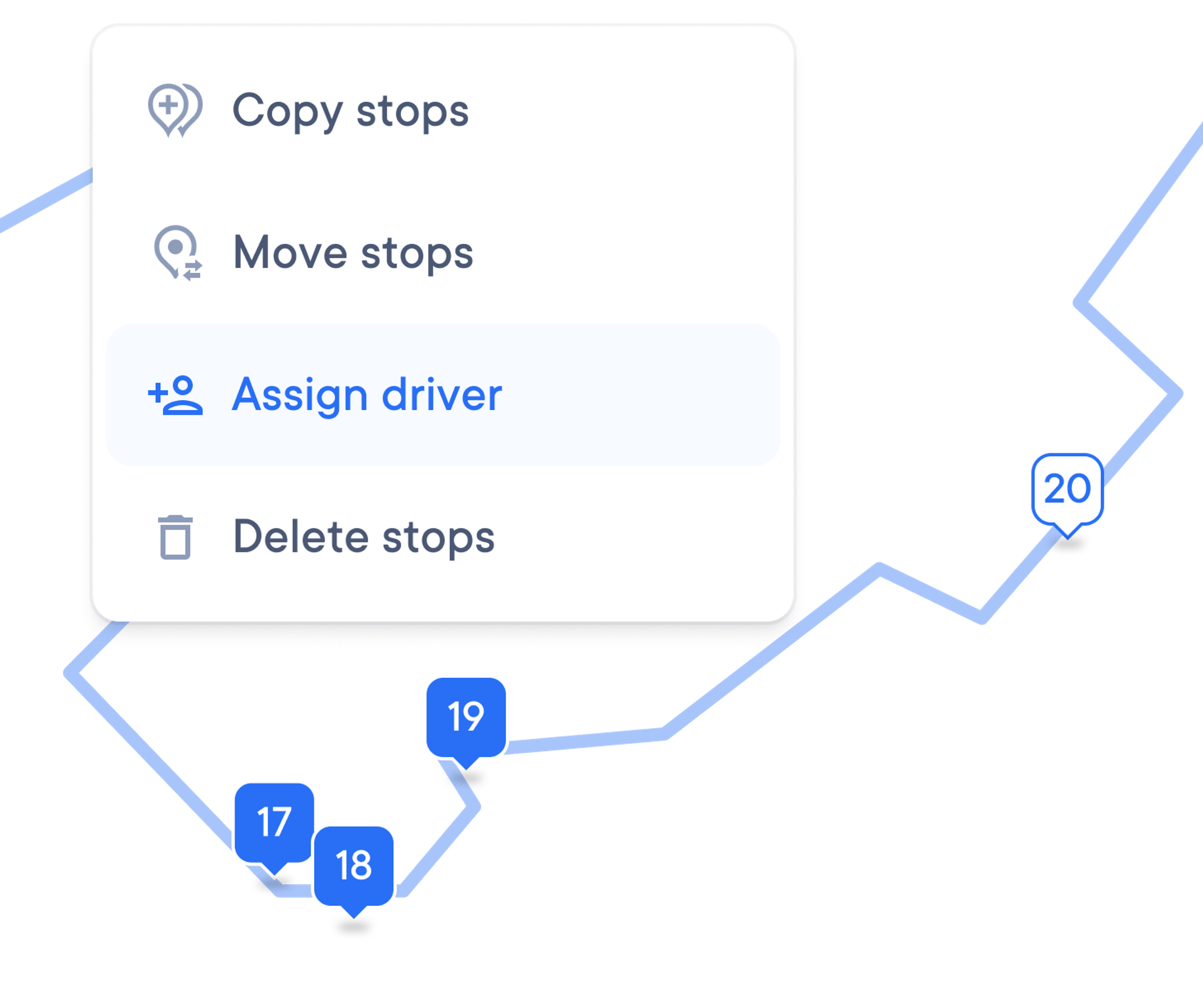
Instant route edits
Quickly adjust routes as needed by copying, pasting, or moving multiple stops to a different driver in seconds.
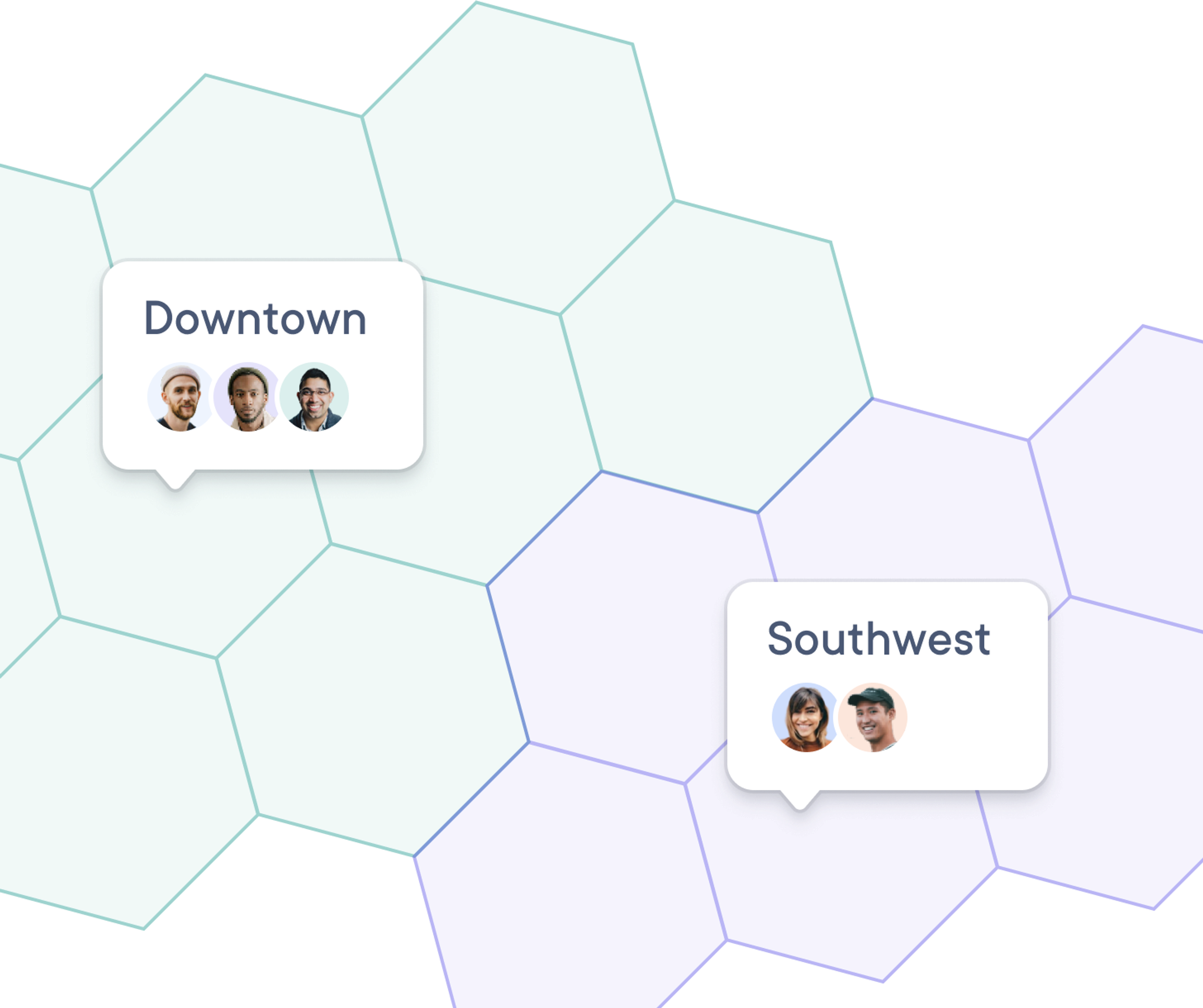
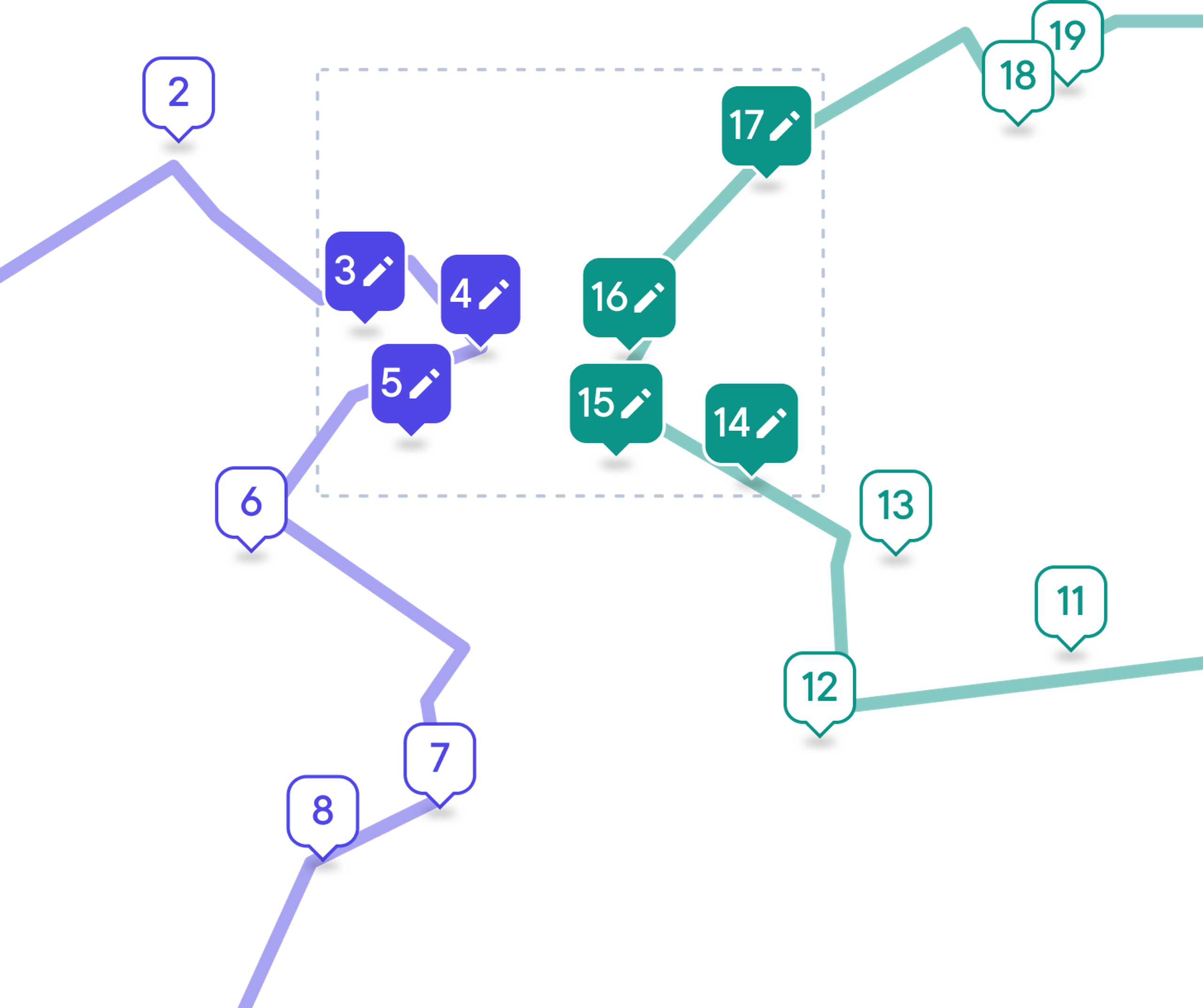
Delivery zones
Automatically assign stops based on geographic delivery zones, ensuring drivers stay within their designated areas.
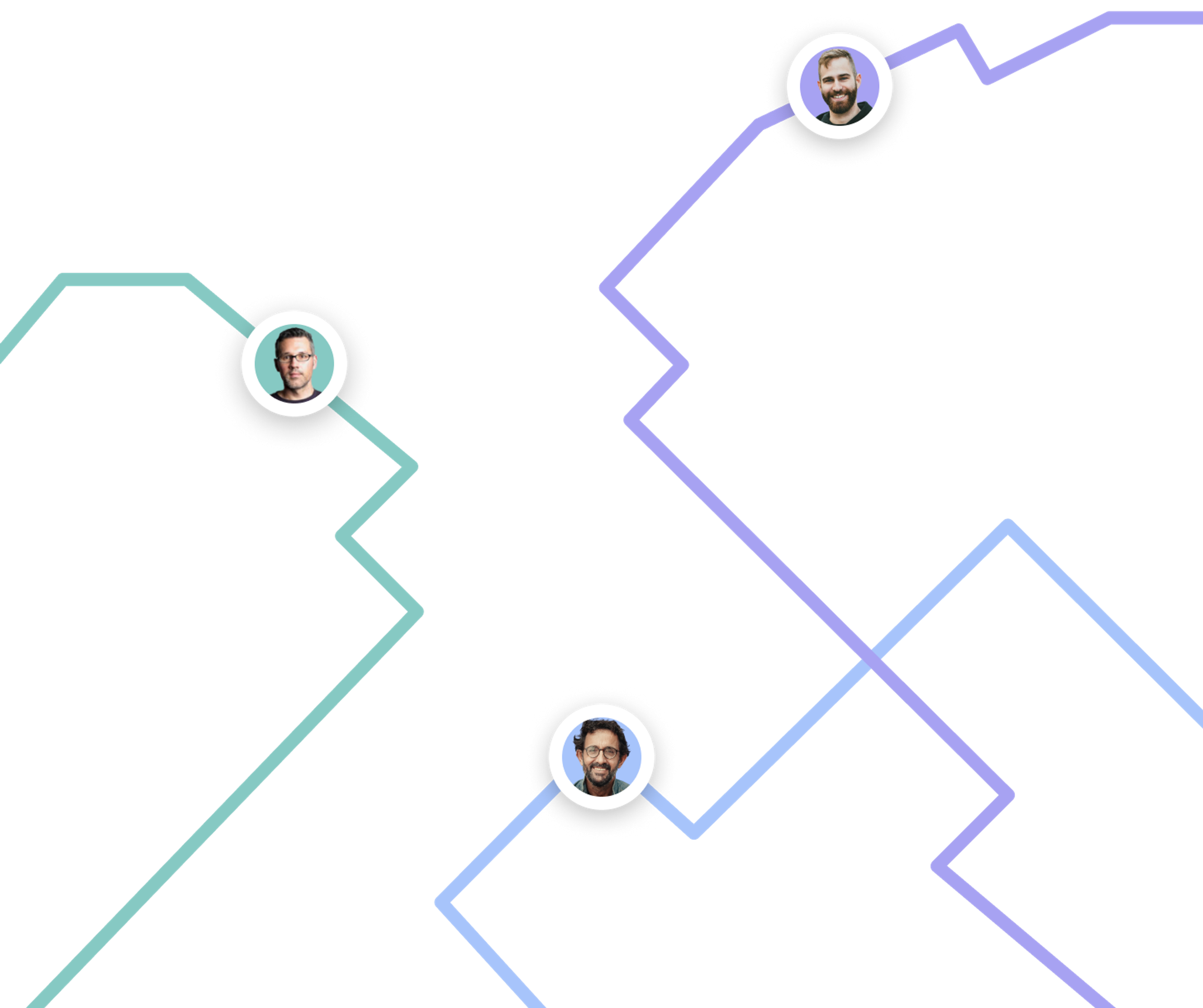
Live driver tracking
Track driver locations live on the GPS map to monitor progress in real time.
Batch edit stops
Making multiple stop adjustments at once instead of updating them one by one.
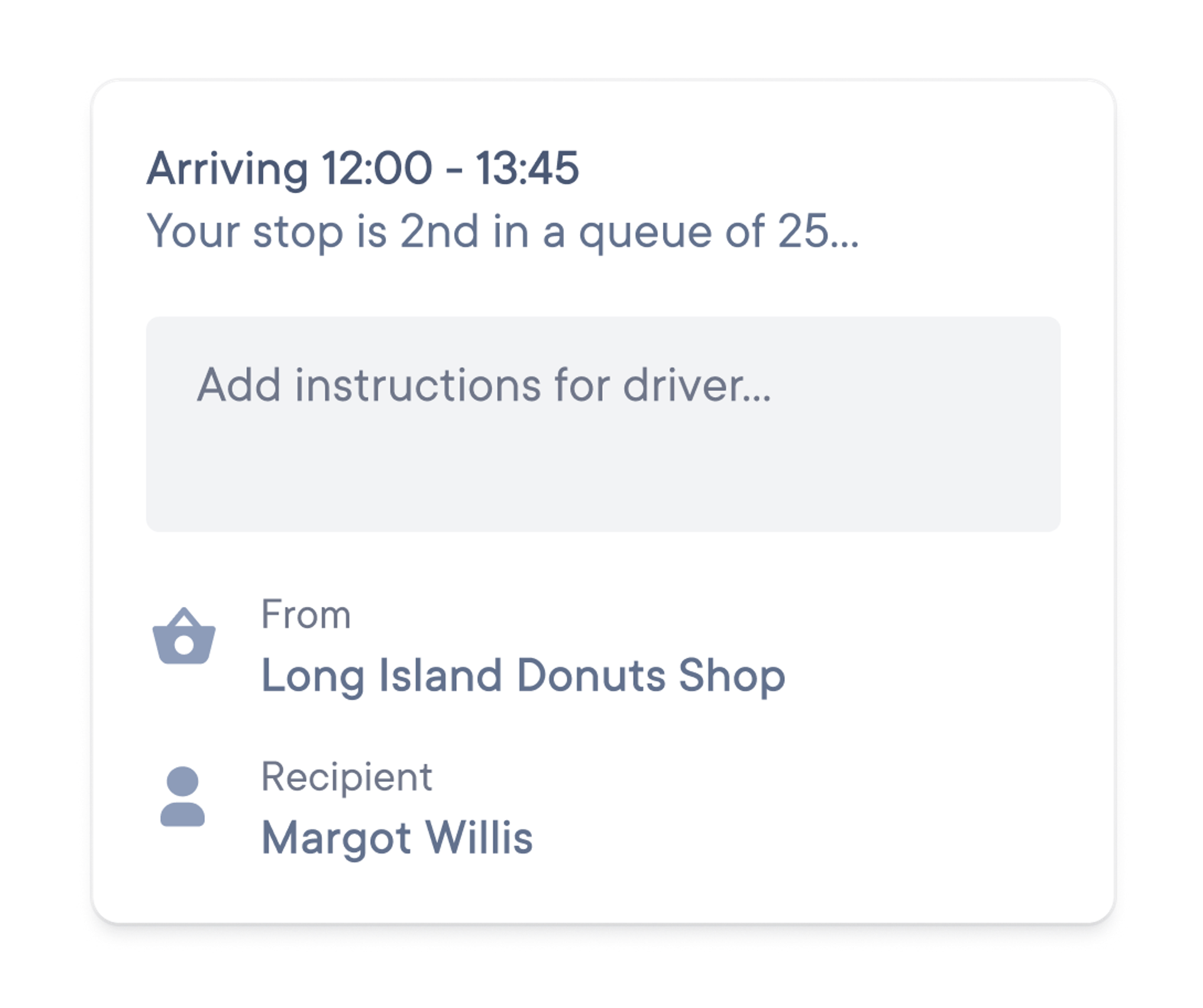
Customer delivery windows
Allow recipients to choose either fixed or dynamic delivery windows to reduce failed deliveries and boost customer satisfaction.
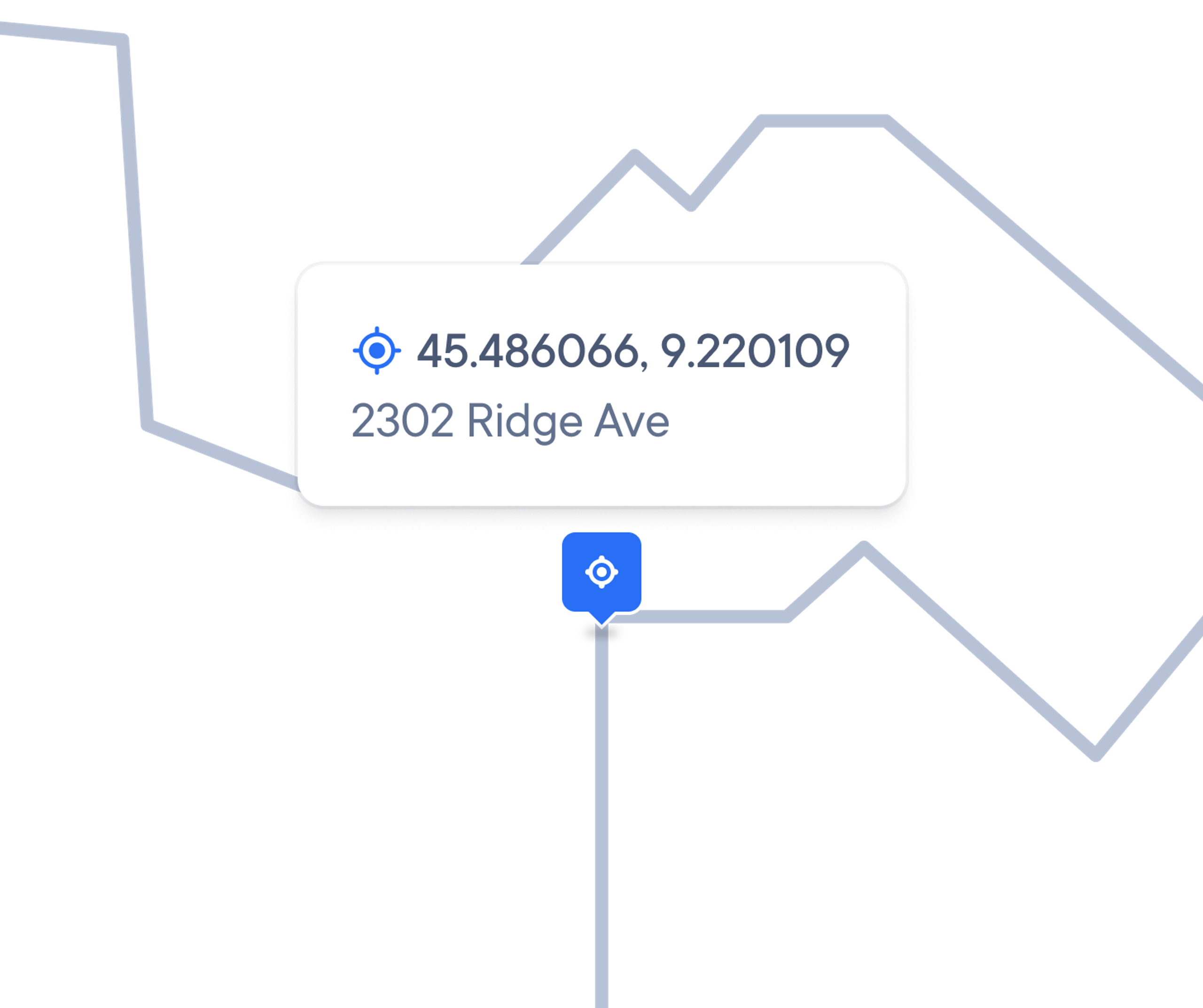
Pin stops
Increase accuracy for tricky stops by pinning exact locations on the GPS map.
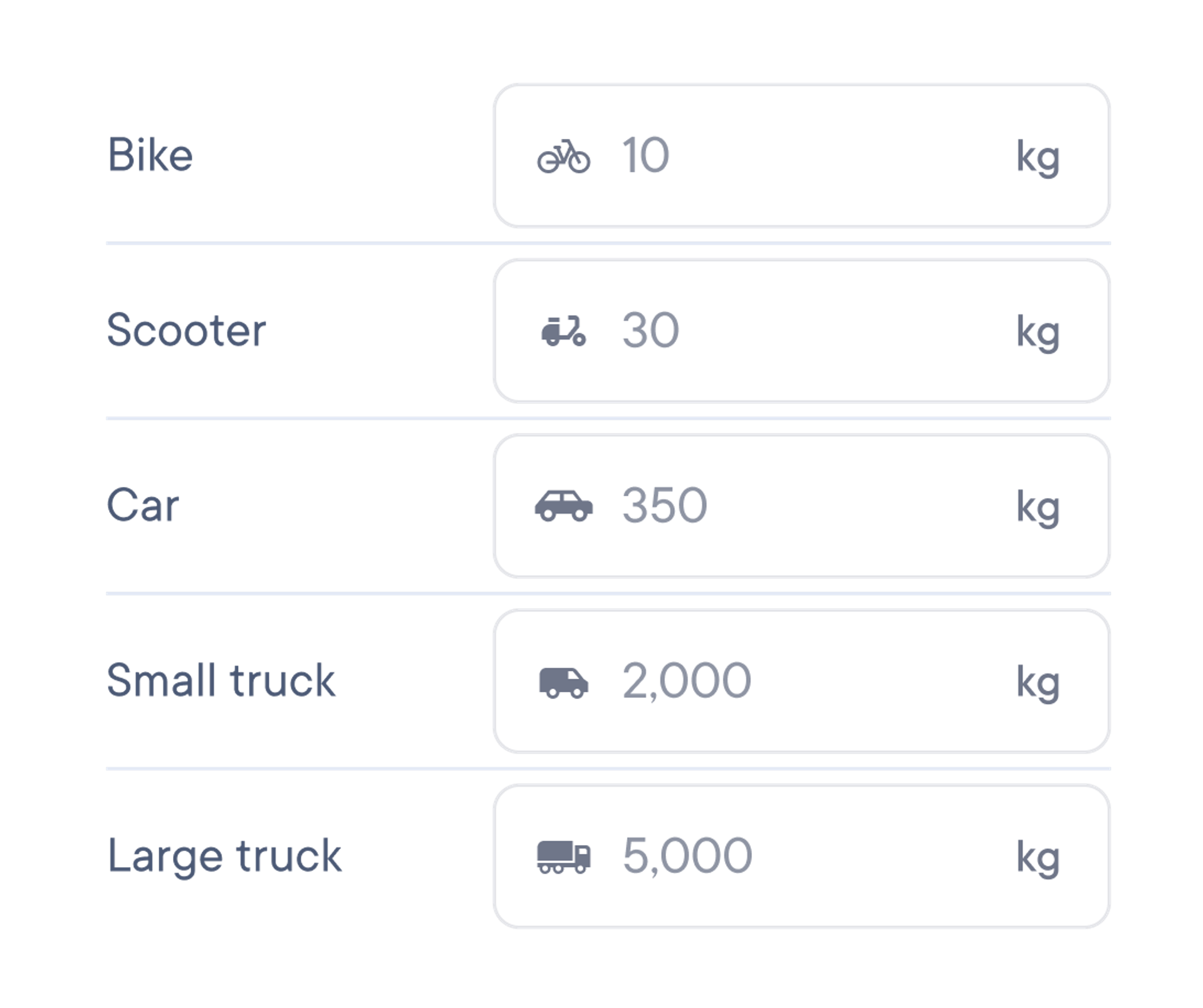
Vehicle capacity
Keep your business compliant and efficient by accounting for vehicle capacity and the vehicle consumption of each stop.
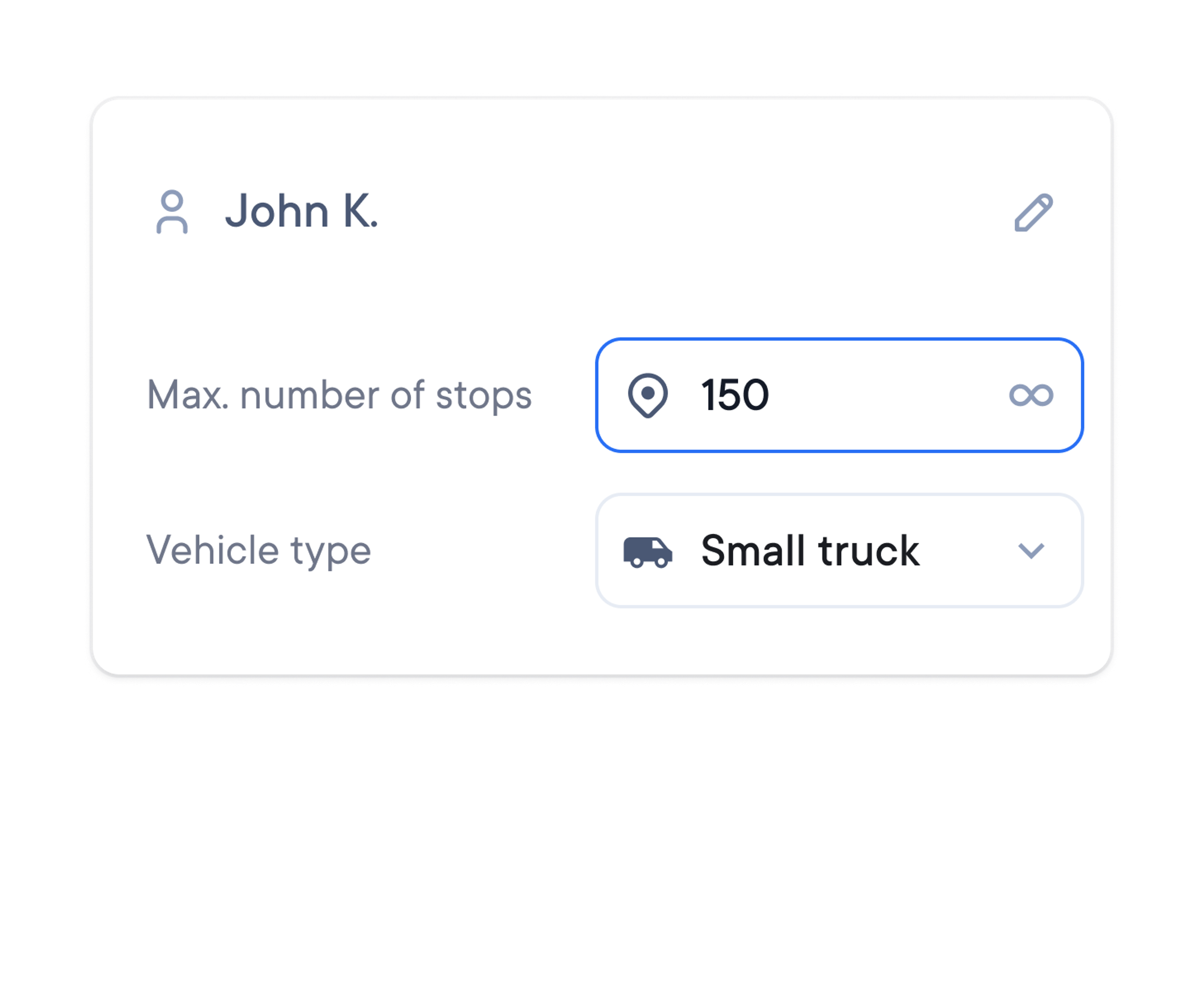
Max stops by capacity
Set a maximum number of stops per driver to ensure vehicle capacity isn’t exceeded.
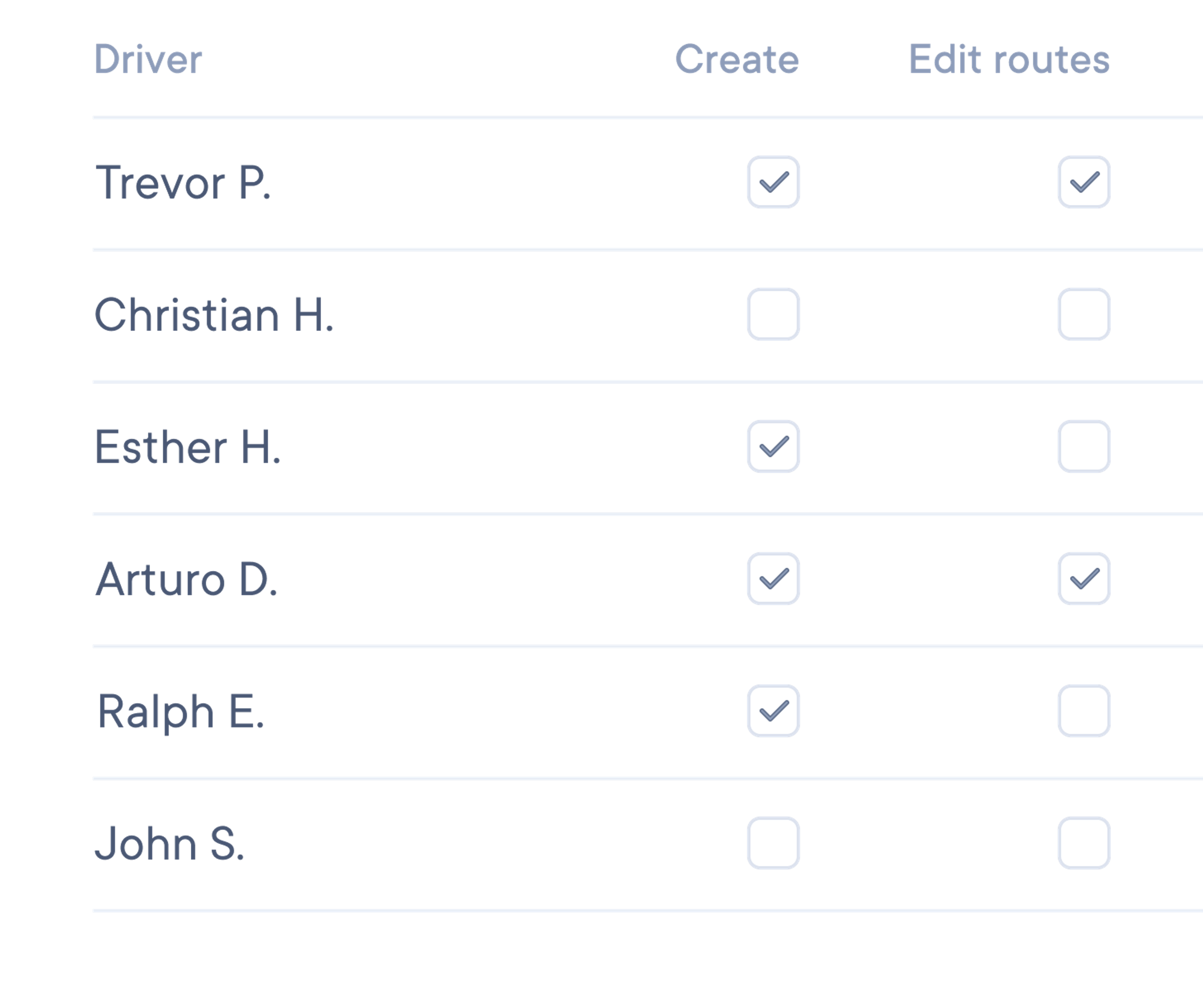
Set driver permissions
Customize driver permissions, allowing certain drivers to edit their own routes while keeping control where needed.
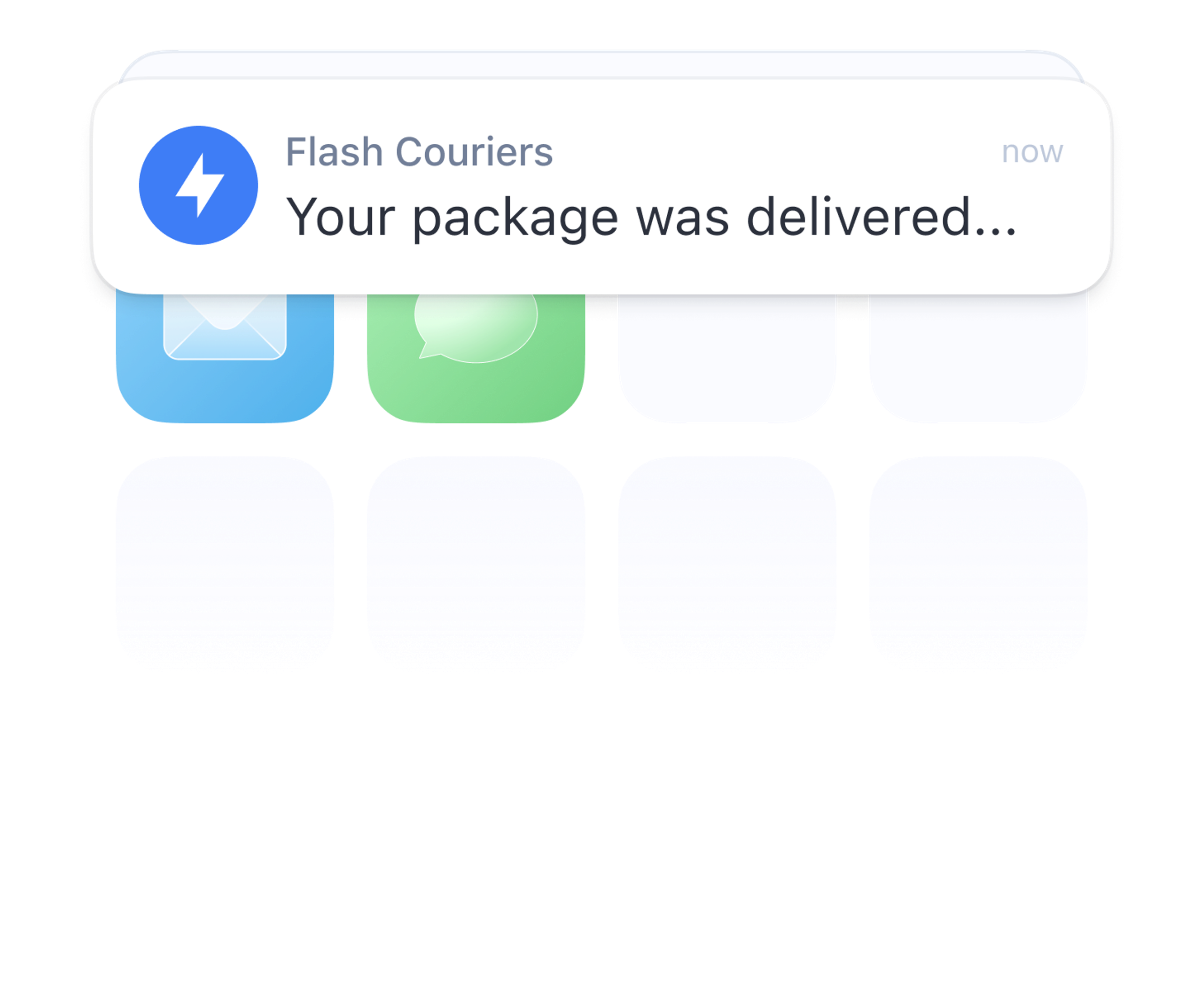
Dynamic customer notifications
Keep recipients informed automatically with SMS and email notifications.
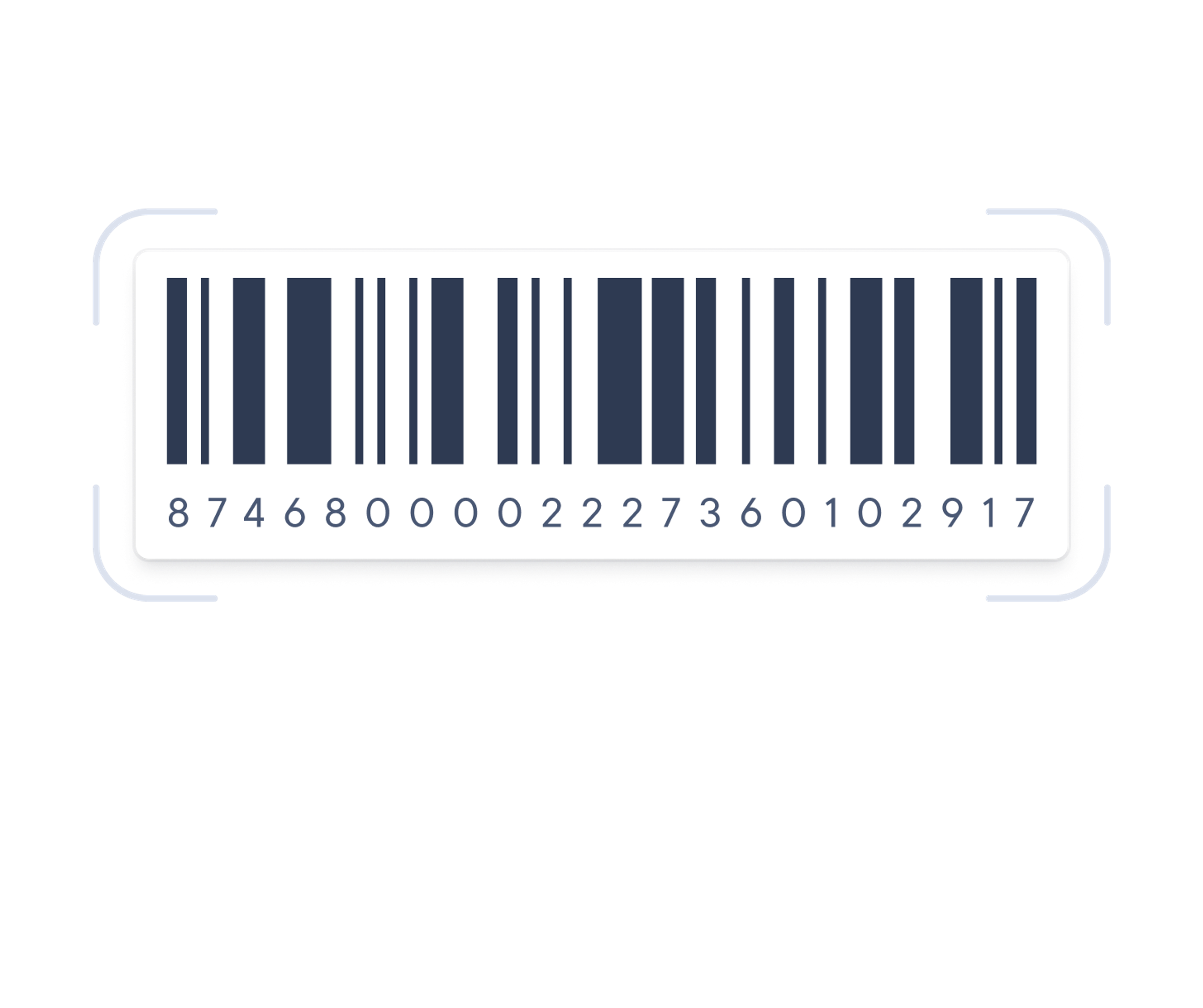
Barcode scanning
Speed up deliveries with barcode scanning, letting drivers add stops by scanning package labels.
Built-in Google Maps
Simplify navigation with built-in Google Maps, reducing stress and making every route easier to follow.
Unlocking efficiency with route optimization
The most successful couriers are the ones that turn every delivery into a strategic advantage. While you could plan your routes manually, leveraging route optimization technology gives you a clear advantage over planning routes by hand.
Here are some of the pros of route optimization in logistics.
Advantages of route optimization in logistics
Route optimization creates routes that save time, while the driver app gives drivers turn-by-turn directions so they can get to their stops as quickly as possible. All this means you can up your delivery capacity, adding more stops to each route without sacrificing driver time or quality.
Fuel isn’t cheap. Neither is vehicle maintenance. Every extra mile driven adds up quickly. Route optimization cuts unnecessary mileage, reduces idle time, and lowers fuel consumption. Plus, fewer miles mean less wear and tear on vehicles, which helps keep maintenance costs down.
Customers expect their packages to arrive on time, every time. They don’t care about the traffic jam on Main Street or that another driver called in sick. Route optimization helps you meet these expectations by building appropriate delivery windows into every route. And we all know that customers come back for more when they’re happy.
When your software is collecting data on route completion times, failed delivery reasons, individual driver performance and on-time delivery rate, you can start to identify opportunities to fine tune your last mile operation for success. The more data you collect over time, the more profitable your strategic decisions will be going forward.


Why is route optimization so important in last mile delivery?
Last mile delivery can get tricky and expensive. It’s the final leg of the journey, where packages go from a distribution hub to a customer’s doorstep. This part eats up the most time, fuel, and resources because drivers are dealing with unpredictable traffic, tight delivery windows, and scattered stops.
Without smart route optimization, it’s easy to waste hours on inefficient routes, which drives up costs and delays deliveries.

Optimized routes improve efficiency
Optimized routes help drivers cover more ground efficiently, reduce fuel costs, and make sure packages arrive when promised. It’s how you keep operations lean, drivers productive, and customers happy, all without adding more vehicles or staff to the mix.
Example of route optimization in action
For many courier businesses, the idea of route optimization sounds great in theory, but what does it look like in practice? What kind of difference can it actually make for your last mile operation?
The best way to understand its impact is to see how real courier companies are using it.
Let’s take a look at how E-BOTEN.DE, a fast-growing pharmaceutical courier service in Germany, transformed its operations with route optimization, scaling from two drivers to a massive team spread across nine cities while staying 100% electric.
How a pharmaceutical courier scaled same-day delivery with route optimization
E-BOTEN.DE was founded in response to a major delivery challenge during the COVID-19 pandemic — how to get prescriptions to patients quickly and reliably when many were unable or afraid to visit pharmacies in person.
Brothers Caner and Gence Polat started out by manually planning routes, scanning patient orders, and delivering prescriptions themselves. Demand quickly skyrocketed, and what began as a two-person operation turned into a rapidly expanding delivery business serving 9 cities across Germany.
“Our aim for the future is to become synonymous with pharmacists as Germany’s most efficient and sustainable pharmaceutical courier service.”

Caner Polat, Founder, E-BOTEN.DE
Read the whole storyTo scale efficiently, they needed route optimization software that could handle same-day delivery, last-minute changes, and driver flexibility. That’s when they turned to Spoke Dispatch.
Inflexible routing
Pharmacies pre-planned routes, but extra pickups kept getting added, forcing drivers to detour manually.
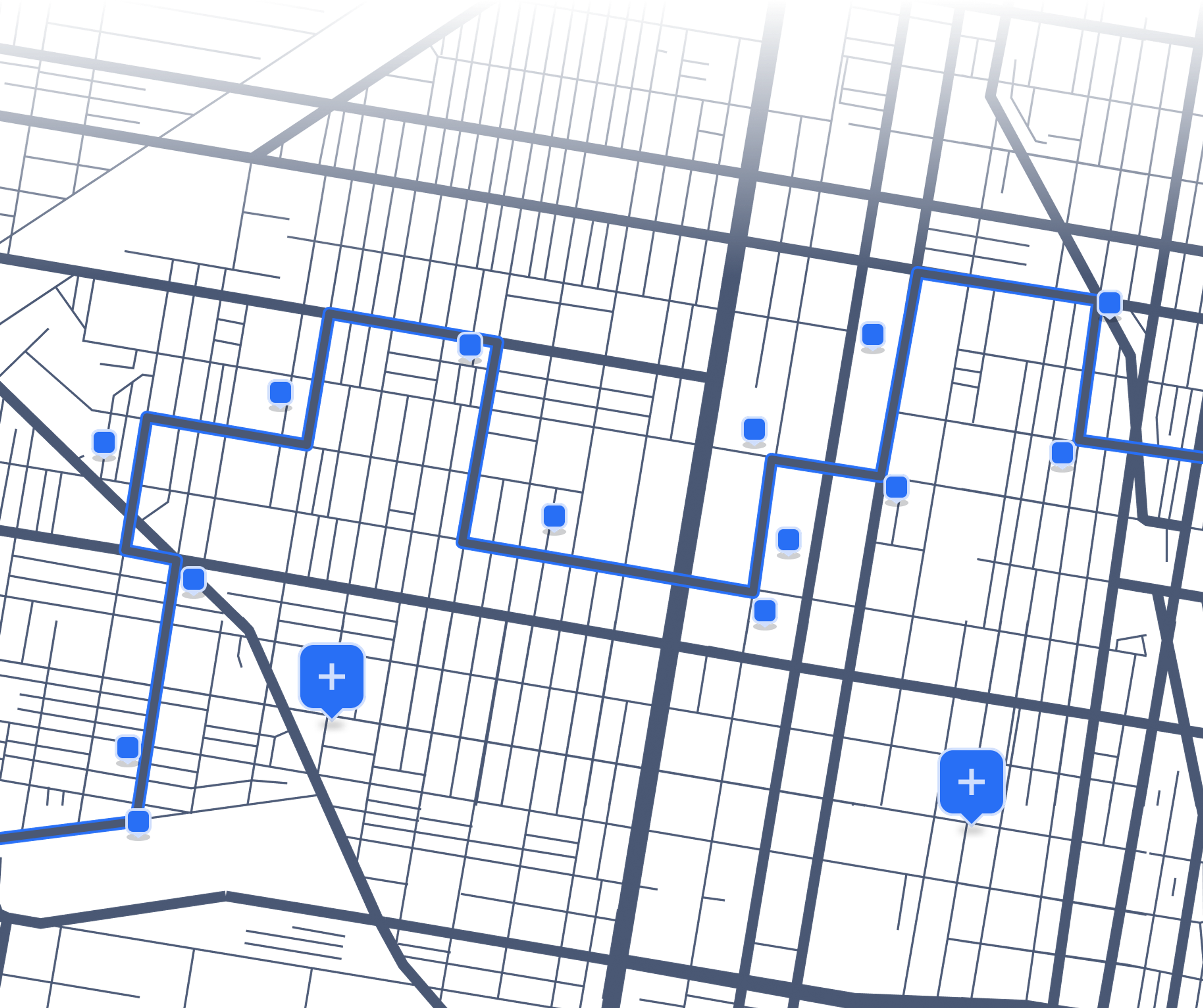
No driver control
Drivers couldn’t adjust their own routes or add stops on the go, leading to inefficiencies.
Complex and bloated software
Too many unnecessary features made the system difficult to use, slowing down operations.
Flexible, driver-friendly routing
Drivers can adjust their own routes in real time, adding last-minute stops without hassle.
Seamless proof of delivery
Drivers can take POD photos and update delivery statuses with a single tap.

Faster dispatching
Orders are automatically assigned to the most efficient routes, cutting planning time drastically.
How Spoke Dispatch helped with scaling a sustainable, same-day delivery business
9 cities
Expanded from 2 drivers to a large fleet serving 9 cities across Germany
45 min
Same-day deliveries in as little as 45 minutes
7,000+
pharmacies now rely on their fast, reliable service
144 tons
of CO2 saved annually using an all-electric fleet
E-BOTEN.DE’s iconic blue electric microcars aren’t just an operational choice - they’re also a marketing tool that makes their brand instantly recognizable.
Their combination of eco-friendly delivery, real-time route optimization, and driver flexibility has made them Germany’s most efficient pharmaceutical courier service.
Route Optimization FAQs
A Route Optimization API is a software interface that automates route planning by integrating directly with your dispatch or logistics systems. It calculates the most efficient delivery routes in real time, considering factors like traffic, delivery windows, and vehicle capacity, helping businesses reduce costs and improve efficiency.
A route optimization API integrates directly with your existing dispatch, logistics, or e-commerce systems to automate route planning. It helps assign deliveries to drivers, optimize routes based on real-time conditions, and adjust plans instantly when changes occur.
Google Maps can provide directions and basic multi-stop routing, but it doesn’t offer full route optimization. It doesn’t factor in constraints like delivery time windows, vehicle capacity, or driver shifts, making it less effective for logistics and last-mile delivery operations.
Waze helps drivers navigate using real-time traffic updates and crowd-sourced data, but it doesn’t optimize multi-stop delivery routes. It’s useful for avoiding traffic jams but isn’t designed for delivery businesses needing complex route planning.
Route optimization uses AI, machine learning, GPS tracking, and real-time traffic data to calculate the most efficient delivery routes. Advanced software also incorporates business-specific constraints like delivery priorities, driver availability, and vehicle capacity.
Route optimization software takes a list of delivery stops and calculates the fastest, most efficient routes based on factors like traffic, distance, time windows, and vehicle capacity. It continuously updates routes in real-time, helping businesses reduce costs and improve delivery reliability.
Route optimization algorithms use advanced mathematical models to determine the most efficient way to complete a set of deliveries. They consider variables like distance, traffic, and stop priority to minimize delays and costs. Common algorithms include the Traveling Salesman Problem (TSP) and Vehicle Routing Problem (VRP) solutions.
The best free route planner depends on your needs. Google Maps works for basic multi-stop directions, while apps like Spoke or RouteXL offer limited free plans for small delivery operations. For larger-scale logistics, paid route optimization software provides more robust features and efficiency gains.
While GPS navigation helps drivers get from point A to point B, route optimization considers multiple stops, traffic patterns, delivery windows, and fleet constraints to plan the most efficient route for the entire day.
Absolutely. By reducing unnecessary mileage and fuel consumption, route optimization helps decrease your fleet’s environmental impact. Many businesses use it as part of their sustainability initiatives.
The best route optimizer depends on your business needs, fleet size, and industry. Tools like Spoke Dispatch, Routific, and OptimoRoute are popular for their real-time dynamic routing, traffic awareness, and integration capabilities, but the right choice will ultimately align with your specific operational goals and constraints.